

Understanding the Importance of Specialized Transport for Large Machinery
Transporting heavy equipment requires careful planning and specialized solutions. Moving large machinery safely and efficiently is crucial to avoid damage and ensure timely delivery. Several challenges, such as weight and size limits, need attention during transport. Companies often rely on specialized vehicles to handle these tasks effectively. This article explores the key role that specific towing methods play in transporting heavy machinery.
Key Benefits of Using Flatbed Trailers
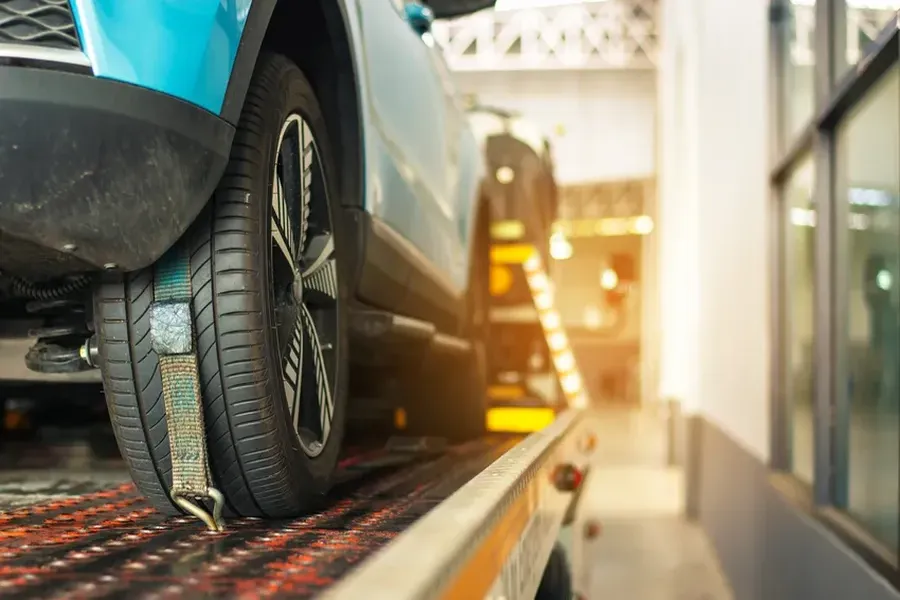
One major benefit of using flatbed trailers is their versatility. They can carry a wide range of heavy equipment types without requiring extensive modifications. These trailers provide a stable platform, which helps keep cargo secure during transit. Additionally, they allow for quick loading and unloading, saving valuable time and reducing labor costs.
- Versatile for different equipment sizes
- Stable transportation with reduced risk of shifting
- Efficient loading and unloading processes
How Flatbed Towing Facilitates Safe Transport
flatbed towing offers a reliable solution for transporting heavy equipment. By using a flat surface, it minimizes the risk of equipment damage during transport. The design ensures that the load remains firmly secured, providing peace of mind to operators. This method allows companies to move oversized loads under industry guidelines, maintaining compliance with safety regulations.

Common Challenges in Heavy Equipment Transportation
Transporting heavy equipment poses several challenges that require careful consideration. Weight restrictions are a major concern, as exceeding legal limits can lead to fines or accidents. Ensuring proper balance and securing the load to prevent movement during transit is another critical aspect. Weather conditions can also impact transport plans, requiring contingency measures.
Steps to Overcome Transportation Barriers
Addressing these challenges involves several key steps:
- Plan routes carefully to avoid roads with weight restrictions
- Secure loads using appropriate tie-downs and restraints
- Check weather forecasts before scheduling transport
- Perform regular inspections on vehicles and equipment
Expert Tips for Optimal Towing Practices
Professionals recommend maintaining regular maintenance schedules for all towing vehicles. This practice ensures reliability and minimizes breakdown risks during transport. Operators should undergo training to handle different types of machinery safely. Furthermore, investing in quality straps and chains can enhance cargo security significantly.
- Regular vehicle maintenance
- Comprehensive operator training
- High-quality restraining equipment
Industry Standards and Compliance Requirements
Adhering to industry standards is essential when transporting heavy equipment. Regulations dictate maximum load capacities, securing methods, and route approvals. Compliance with these requirements not only avoids legal issues but also enhances safety levels. Businesses must stay informed about changes in legislation to maintain operational efficiency.
Cost Considerations When Choosing Transport Solutions
The cost of transporting heavy equipment varies depending on several factors, including distance, weight, and required permits. Selecting an efficient transport method can result in significant savings. While upfront costs may be higher, long-term benefits often include reduced wear on equipment and fewer logistical delays, yielding a better return on investment (ROI).
Your Partner in Heavy Equipment Transport Solutions
If your business needs dependable transport services for heavy machinery, C&M Express Towing LLC can help. We understand the unique requirements involved in moving sizable loads across distances. Our team operates out of Monroe, WI, ensuring local expertise and fast response times. Contact us at (608) 426-4145 today to discuss how we can support your equipment transportation needs efficiently.